
Today, I will talk to you about La Ciotat, a town located on the Mediterranean coast, in the Bouches-du-Rhône department, in the Provence-Alpes-Côte d'Azur region. This town, rich in history and natural landscapes, stands out for its culture, its growing economy, and its unique geography.
LA CIOTAT
The geographical location of La Ciotat
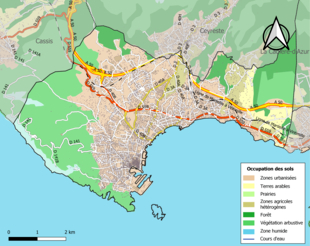
La Ciotat is located 25 km east of Marseille. It is nestled in a sheltered bay and overlooked by the famous Bec de l’Aigle. The town is surrounded by exceptional landscapes, such as the calanques of Mugel and Figuerolles, and the Île Verte, a popular tourist destination. To the west, the Soubeyranes cliffs are among the highest in Europe, peaking at 394 meters
Demographics
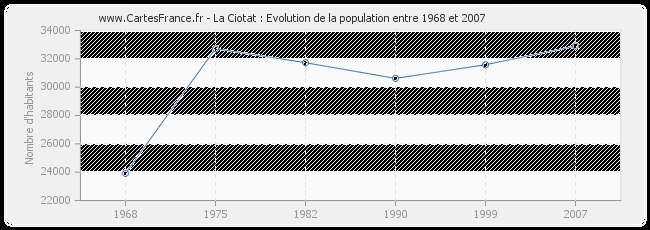
The population of La Ciotat is growing, with over 35,000 inhabitants recorded in 2014. The town is experiencing a noticeable rejuvenation, especially with the opening of new schools. In 2018, nearly a quarter of households had children.
The Economy
Since 2018, La Ciotat has seen an increase in the number of businesses, particularly in the commerce, services, and construction sectors. In 2022, commerce and hospitality accounted for 33% of local businesses. Initiatives like Athélia Entreprendre support local businesses, enhancing the town's economic appeal.
Culture
La Ciotat is famous for being the filming location of one of the first films by the Lumière brothers, *Arrival of a Train at La Ciotat Station*, in 1895. The town is also the birthplace of pétanque, invented in 1907. It regularly hosts festivals and events celebrating its maritime and cinematic heritage.
A retenir :
In summary, La Ciotat is a town that combines a rich cultural and historical heritage with spectacular natural surroundings, while also looking to the future through its economic dynamism. If you have never visited La Ciotat, I invite you to discover its treasures, from the cliffs to the calanques, not forgetting its unique traditions