
Partielo | Créer ta fiche de révision en ligne rapidement

Origins of cold war

Definitions

Cold War
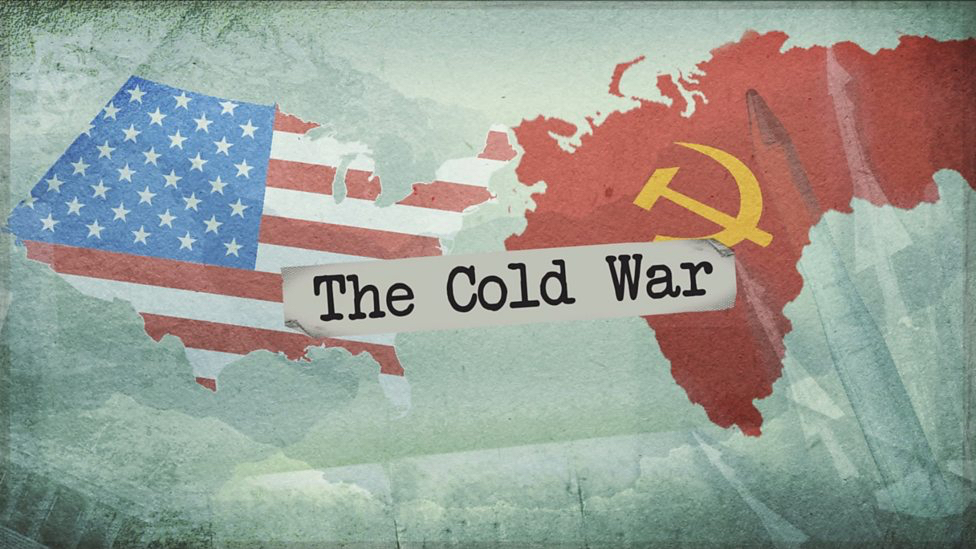
The Cold War refers to the period of geopolitical tension between the Soviet Union and the United States and their respective allies after World War II. It is characterized by political, ideological, and military rivalries.
Iron Curtain
A term popularized by Winston Churchill to describe the division between the Soviet-controlled regions and the Western democracies in Europe during the Cold War.
Containment
A geopolitical strategy adopted by the United States to prevent the expansion of Soviet influence during the Cold War by means of diplomatic, military, and economic measures.

Post-World War II Landscape

The conclusion of World War II set the stage for the Cold War as two superpowers emerged: the United States and the Soviet Union. The war left much of Europe in ruins, creating a power vacuum that both the U.S. and the USSR sought to fill according to their respective ideologies.

Ideological Differences

Capitalism vs. Communism

The Cold War was fundamentally rooted in the ideological differences between American capitalism, which emphasized private enterprise and individual freedoms, and Soviet communism, which emphasized state control and collective ownership. This ideological clash expanded beyond economics to influence political systems and cultures worldwide.

Early Conflicts and Agreements

Yalta and Potsdam Conferences

During the Yalta and Potsdam conferences, the Allies met to decide the fate of post-war Europe but underlying tensions surfaced. Disagreements arose over the future of Germany and Eastern Europe, sowing seeds of mistrust between the Soviets and the Western allies.

The Iron Curtain and Eastern Bloc

As the Soviet Union consolidated control over Eastern Europe, Winston Churchill famously declared that an 'iron curtain' had descended across the continent, symbolizing the division between the democratic states of the West and the Soviet-dominated East.

The Truman Doctrine and Marshall Plan

Truman Doctrine

In 1947, President Harry S. Truman set forth the Truman Doctrine, pledging to support nations threatened by Soviet communism. This policy marked the official American strategy of containment, aiming to check Soviet expansionism.

Marshall Plan

The Marshall Plan, initiated by the U.S. in 1948, was an economic aid program intended to rebuild and stabilize the European economies after World War II. The plan also sought to prevent the spread of communism by promoting political stability and economic prosperity in Western Europe.

Consolidation of the Cold War

NATO and the Warsaw Pact

In response to growing tensions, the Western nations formed the North Atlantic Treaty Organization (NATO) in 1949 as a collective defense initiative against Soviet aggression. The Soviet Union responded in 1955 by creating the Warsaw Pact with its Eastern European satellite states.

Berlin Blockade and Airlift

One of the first major crises of the Cold War occurred in 1948-1949 with the Berlin Blockade, wherein the Soviet Union blocked access to the sectors of Berlin under Western control. In response, the United States and its allies implemented the Berlin Airlift, successfully supplying the city by air.

To remember :

In summary, the origins of the Cold War lay in the post-World War II power vacuum and the ideological divide between the United States and Soviet Union. Initial conflicts and strategies, such as the Truman Doctrine and Marshall Plan, solidified the separation between East and West. This division was physically and symbolically represented by the 'Iron Curtain' and further institutionalized through military alliances such as NATO and the Warsaw Pact. These early events created a protracted period of geopolitical tension that defined international relations in the latter half of the 20th century.

Origins of cold war

Definitions

Cold War
The Cold War refers to the period of geopolitical tension between the Soviet Union and the United States and their respective allies after World War II. It is characterized by political, ideological, and military rivalries.
Iron Curtain
A term popularized by Winston Churchill to describe the division between the Soviet-controlled regions and the Western democracies in Europe during the Cold War.
Containment
A geopolitical strategy adopted by the United States to prevent the expansion of Soviet influence during the Cold War by means of diplomatic, military, and economic measures.

Post-World War II Landscape

The conclusion of World War II set the stage for the Cold War as two superpowers emerged: the United States and the Soviet Union. The war left much of Europe in ruins, creating a power vacuum that both the U.S. and the USSR sought to fill according to their respective ideologies.

Ideological Differences

Capitalism vs. Communism

The Cold War was fundamentally rooted in the ideological differences between American capitalism, which emphasized private enterprise and individual freedoms, and Soviet communism, which emphasized state control and collective ownership. This ideological clash expanded beyond economics to influence political systems and cultures worldwide.

Early Conflicts and Agreements

Yalta and Potsdam Conferences

During the Yalta and Potsdam conferences, the Allies met to decide the fate of post-war Europe but underlying tensions surfaced. Disagreements arose over the future of Germany and Eastern Europe, sowing seeds of mistrust between the Soviets and the Western allies.

The Iron Curtain and Eastern Bloc

As the Soviet Union consolidated control over Eastern Europe, Winston Churchill famously declared that an 'iron curtain' had descended across the continent, symbolizing the division between the democratic states of the West and the Soviet-dominated East.

The Truman Doctrine and Marshall Plan

Truman Doctrine

In 1947, President Harry S. Truman set forth the Truman Doctrine, pledging to support nations threatened by Soviet communism. This policy marked the official American strategy of containment, aiming to check Soviet expansionism.

Marshall Plan

The Marshall Plan, initiated by the U.S. in 1948, was an economic aid program intended to rebuild and stabilize the European economies after World War II. The plan also sought to prevent the spread of communism by promoting political stability and economic prosperity in Western Europe.

Consolidation of the Cold War

NATO and the Warsaw Pact

In response to growing tensions, the Western nations formed the North Atlantic Treaty Organization (NATO) in 1949 as a collective defense initiative against Soviet aggression. The Soviet Union responded in 1955 by creating the Warsaw Pact with its Eastern European satellite states.

Berlin Blockade and Airlift

One of the first major crises of the Cold War occurred in 1948-1949 with the Berlin Blockade, wherein the Soviet Union blocked access to the sectors of Berlin under Western control. In response, the United States and its allies implemented the Berlin Airlift, successfully supplying the city by air.

To remember :

In summary, the origins of the Cold War lay in the post-World War II power vacuum and the ideological divide between the United States and Soviet Union. Initial conflicts and strategies, such as the Truman Doctrine and Marshall Plan, solidified the separation between East and West. This division was physically and symbolically represented by the 'Iron Curtain' and further institutionalized through military alliances such as NATO and the Warsaw Pact. These early events created a protracted period of geopolitical tension that defined international relations in the latter half of the 20th century.